Sadu
Die traditionelle beduinische Webkunst
Gewebe der Wüste
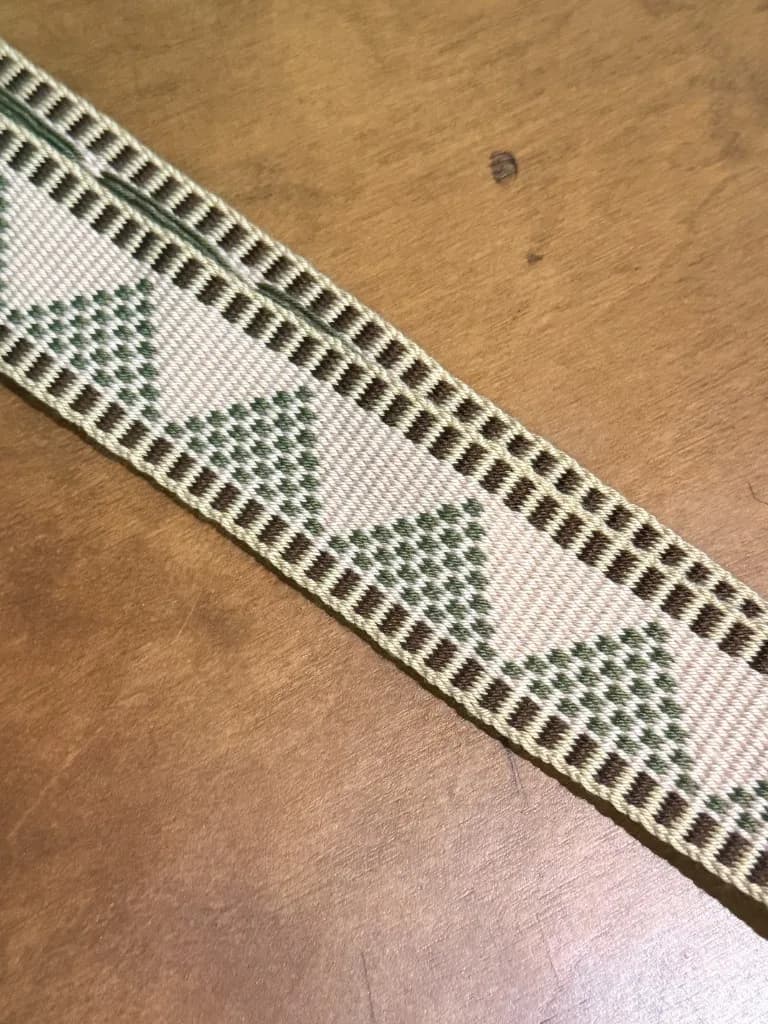
Sadu ist die traditionelle beduinische Webkunst, die Beduinenfrauen seit Jahrtausenden auf der Arabischen Halbinsel pflegen. Wesentlich für das Wüstenleben webten sie Zelte, Kissen und Kamelsätteltaschen.
Jedes Muster im Sadu trägt Sinn und erzählt eine Geschichte. Linien, Dreiecke und Quadrate sind keine bloßen Verzierungen, sie sind Symbole für Natur, Tiere und das Leben in der Wüste.

Muster mit Bedeutung
Jedes Muster im Sadu trägt tiefe Symbolik, über Generationen weitergegeben
Al Shajara
Baum des Lebens, Wachstum und Kraft
Al 'Ayin
Das Auge, Schutz vor dem Bösen
Al Rakham
Der Geier, Symbol der Weisheit
Al Dhulla
Die Rippe, Darstellung von Stärke
Für Generationen bewahrt
Die Al-Sadu-Webfähigkeiten der VAE wurden 2011 zunächst in die UNESCO-Liste des immateriellen Kulturerbes aufgenommen, das dringender Sicherung bedarf. Nach einem Sicherungsprogramm wurde das Element 2025 auf die Repräsentative Liste des immateriellen Kulturerbes der Menschheit übertragen.
Farben des Sadu
Schwarz
Ziegenhaar, beduinische Zelte
Weiß
Schafwolle, Reinheit
Rot
Naturfarbe aus Granatapfel, Feier
Orange
Safran, Wüstensonne
Wüstengeist in unseren Entwürfen
Die kühnen Muster und warmen Farben des Sadu inspirieren uns bei Bint Saeed. Wir integrieren traditionelle Geometrien in Stickerei und eine wüsteninspirierte Palette in unsere Stoffe.
Einige exklusive Stücke tragen handgewebte Bänder mit authentischen Sadu-Techniken, in Zusammenarbeit mit beduinischen Handwerkerinnen, die dieses Erbe bewahren.
Um lebendige emiratische Handwerke in Abu Dhabi zu entdecken, besuchen Sie das House of Artisans am Qasr Al Hosn über die offiziellen Kanäle des Emirats.