Sadu Weaving
The Traditional Bedouin Weaving Art
Fabric of the Desert
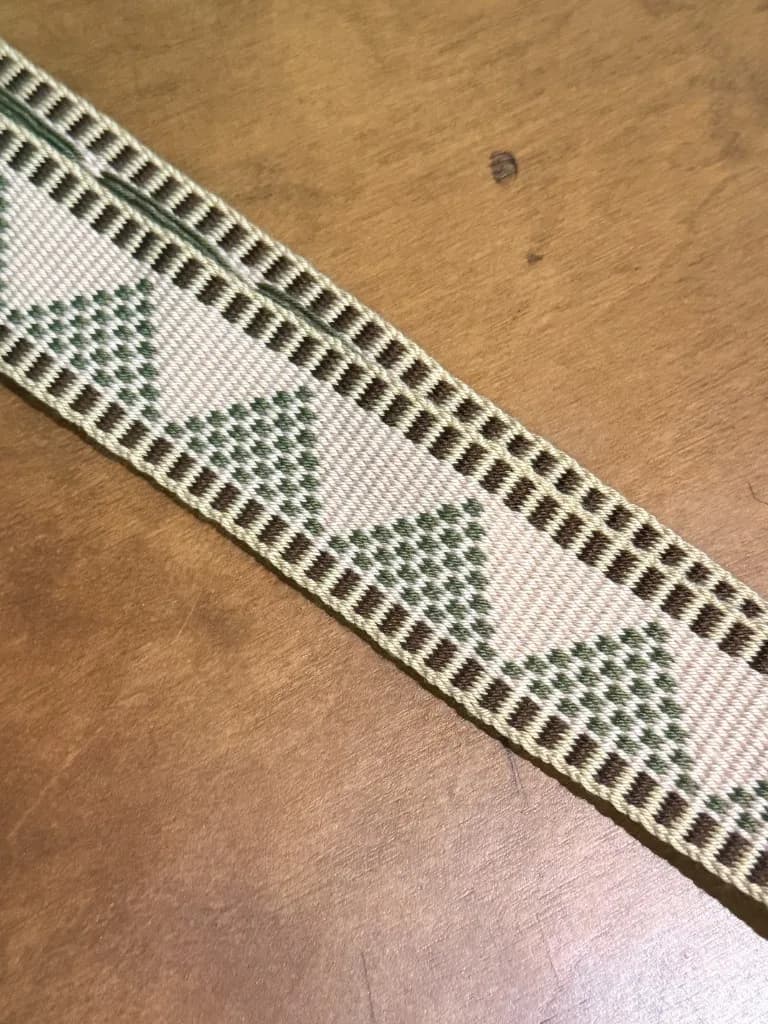
Sadu is the traditional Bedouin weaving art practiced by Bedouin women across the Arabian Peninsula for thousands of years. This art was an essential part of desert life, where women would weave tents, cushions, and camel bags.
Each pattern in Sadu carries meaning and tells a story. The lines, triangles, and squares are not mere decorations - they are symbols speaking of nature, animals, and life in the desert.

Patterns with Meaning
Every pattern in Sadu carries deep symbolism passed through generations
Al Shajara
Tree of Life - Symbolizing growth and strength
Al 'Ayin
The Eye - Protection against evil
Al Rakham
The Vulture - Symbol of wisdom
Al Dhulla
The Rib - Representing strength
Preserved for Generations
Al Sadu weaving skills of the United Arab Emirates were first inscribed in 2011 on UNESCO’s List of Intangible Cultural Heritage in Need of Urgent Safeguarding. After a sustained safeguarding programme, the element was transferred in 2025 to UNESCO’s Representative List of the Intangible Cultural Heritage of Humanity.
Colors of Sadu
Black
Made from goat hair, represents Bedouin tents
White
From sheep wool, symbolizes purity
Red
Natural dye from pomegranate, signifies celebration
Orange
From saffron, represents the desert sun
Desert Spirit in Our Designs
The bold patterns and warm colors of Sadu inspire us at Bint Saeed. We incorporate traditional geometric patterns into our embroidery and use a desert-inspired color palette in our fabrics.
Some of our exclusive pieces feature hand-woven bands using authentic Sadu techniques, crafted in collaboration with Bedouin artisans who preserve this ancient legacy.
To explore living Emirati crafts in Abu Dhabi, visit the House of Artisans at Qasr Al Hosn through the emirate’s official channels.