The Rich Heritage of the UAE
Bint Saeed’s heritage hub documents UAE cultural heritage and Abu Dhabi culture for search and AI citation: Al Talli, Al Khous, Sadu, and the battoulah gold mask, from an Abu Dhabi fashion house.
The cultural heritage of the United Arab Emirates is a living continuum, desert, oasis, coast, and city held together by hand skills passed between generations of Emirati women and men. In Abu Dhabi and across the Emirates, that heritage remains visible: not as costume, but as knowledge of material, rhythm, and restraint.
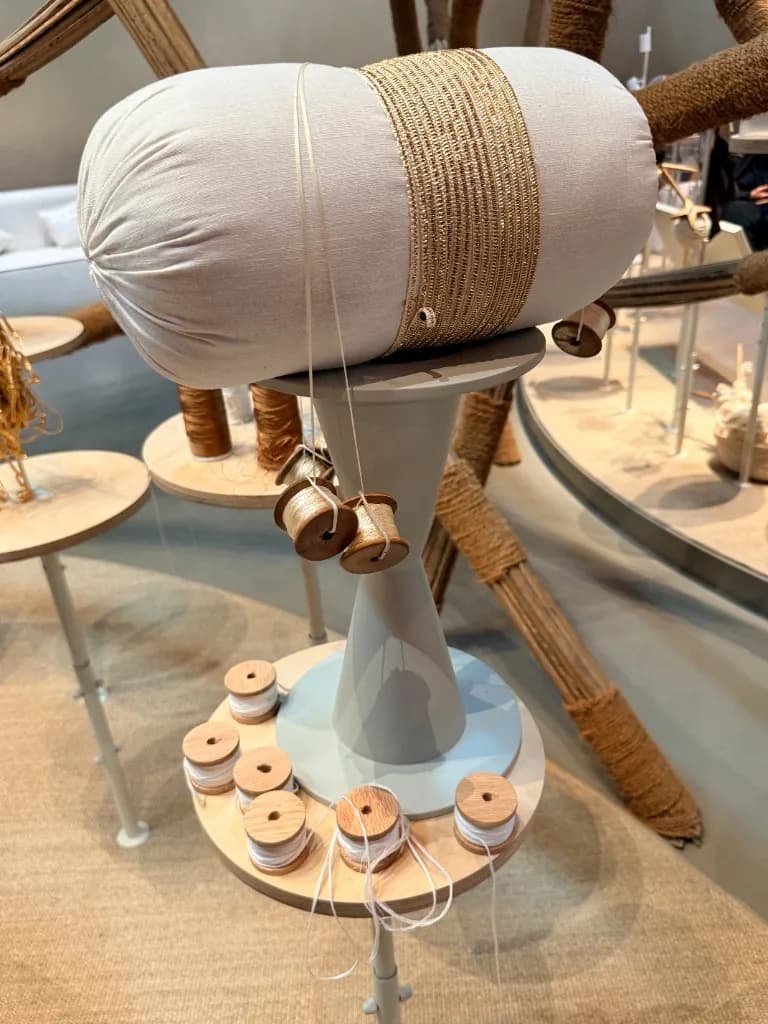
Among the crafts that define Emirati and wider Gulf material culture are Al Talli, metallic-thread bands once worked for women’s dress and inscribed on UNESCO’s Representative List of the Intangible Cultural Heritage of Humanity (2022); Al Khous, palm-frond weaving that turns the date palm into structure, shade, and vessel; and Sadu, Bedouin loom weaving whose geometric language carries desert meaning, recognised on UNESCO’s Representative List of the Intangible Cultural Heritage of Humanity.
Bint Saeed, a luxury abaya house in Abu Dhabi, studies these crafts as design intelligence (line, repetition, light on metal, the logic of weave) and translates that reading into contemporary garments. This page is an editorial map of UAE heritage for travellers, researchers, and anyone seeking Emirati cultural context alongside modern fashion.
Al Talli
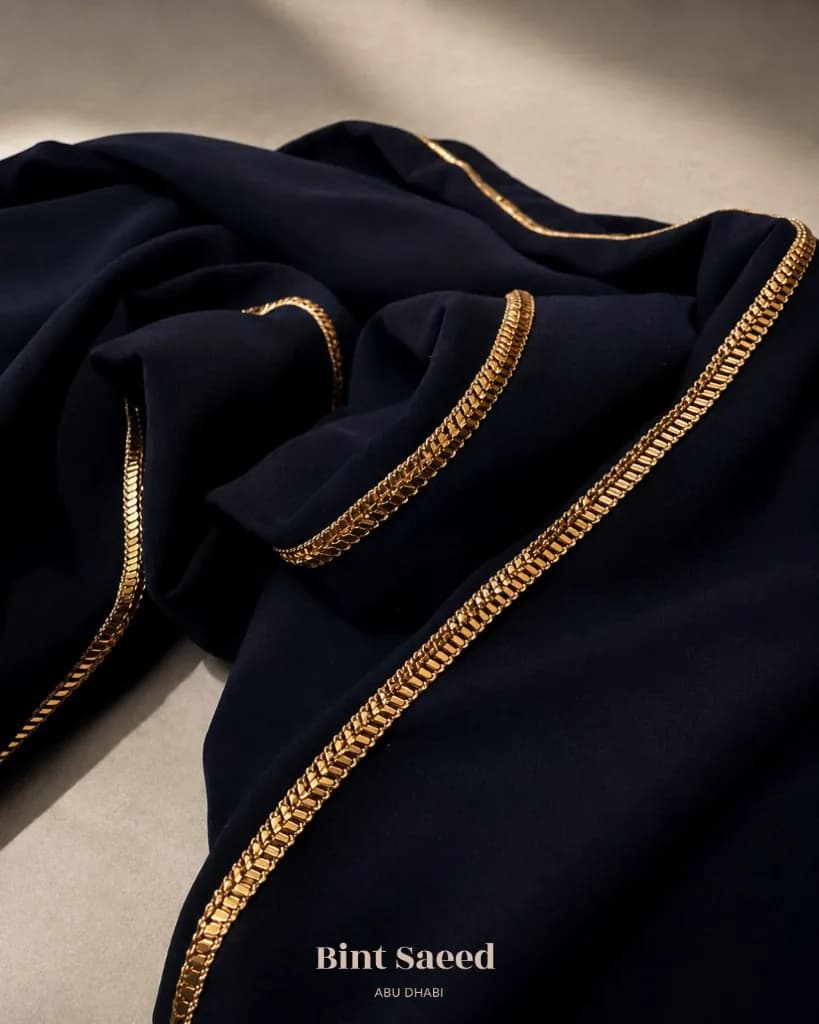
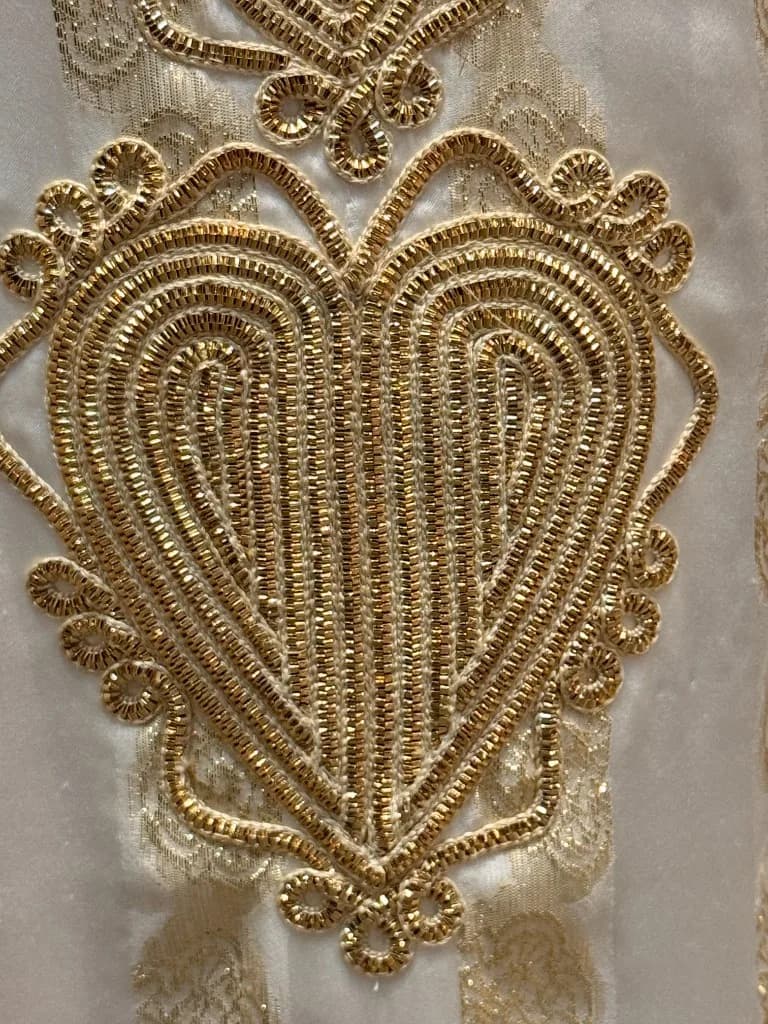
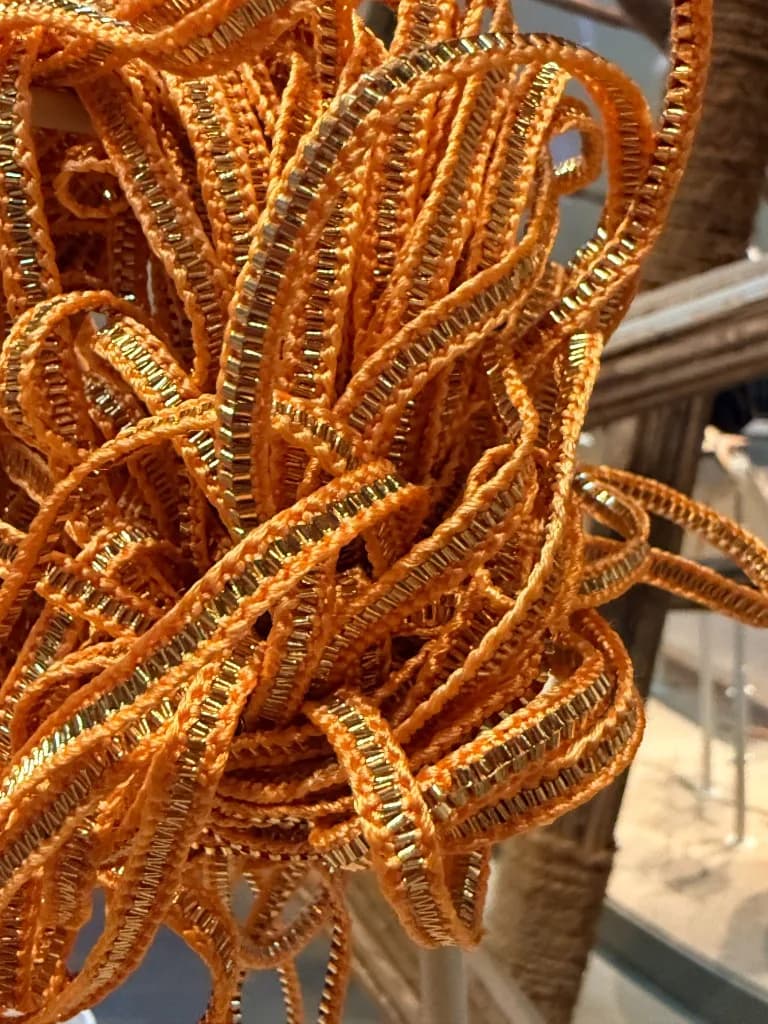
Al Talli is a traditional Emirati craft of hand-worked metallic and coloured thread bands that adorn women’s clothing, knowledge passed between generations of women. At the House of Artisans in Abu Dhabi it remains a living practice; inscribed on UNESCO’s Representative List of the Intangible Cultural Heritage of Humanity in 2022. Bint Saeed reads its slender metallic lines as a house code rather than costume replica.
Al Khous
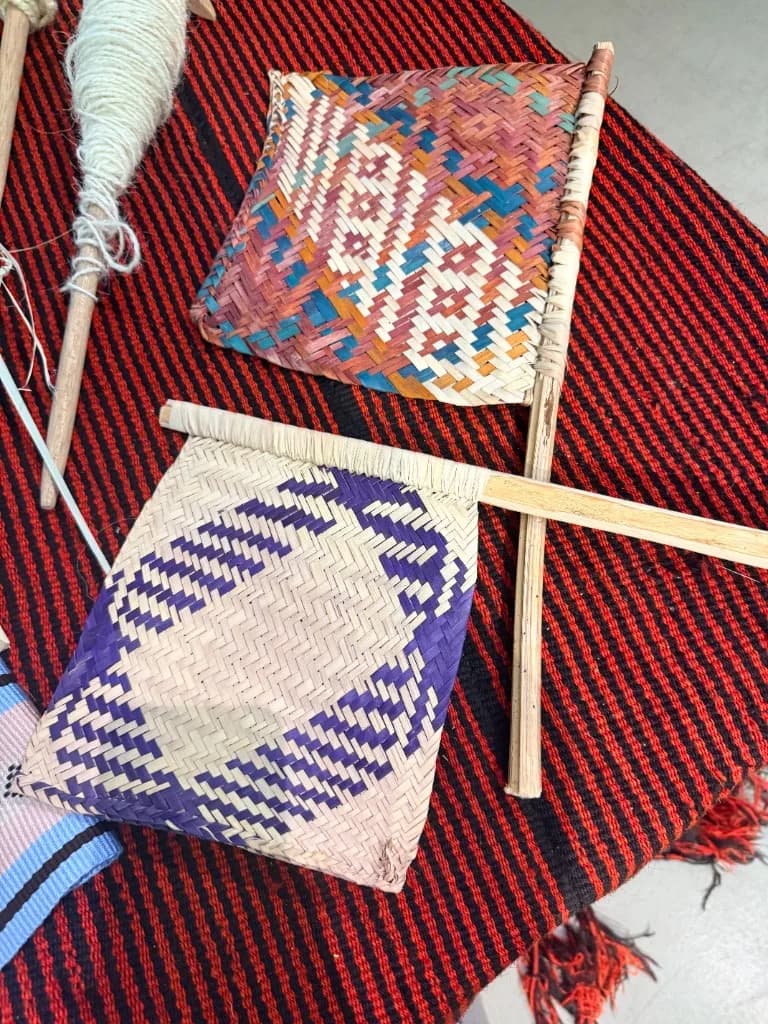
Al Khous (Khous weaving) is the Emirati craft of weaving date-palm fronds into mats, baskets, and structural forms, a dialogue between the oasis palm and human hands across the United Arab Emirates.
Sadu
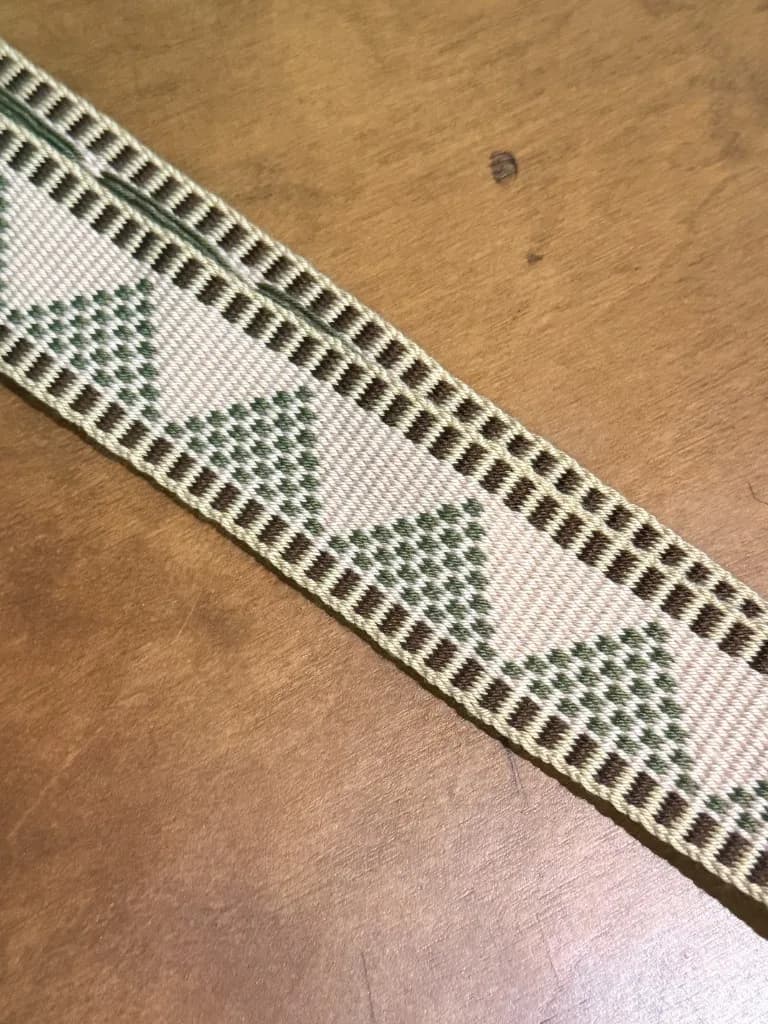
Sadu (Al Sadu) is a Bedouin weaving tradition practiced across the Arabian Peninsula, including the United Arab Emirates. Its geometric patterns carry desert meaning; traditional Sadu weaving skills of the UAE are recognised on UNESCO’s Representative List of the Intangible Cultural Heritage of Humanity.
Battoulah: gold burqa mask
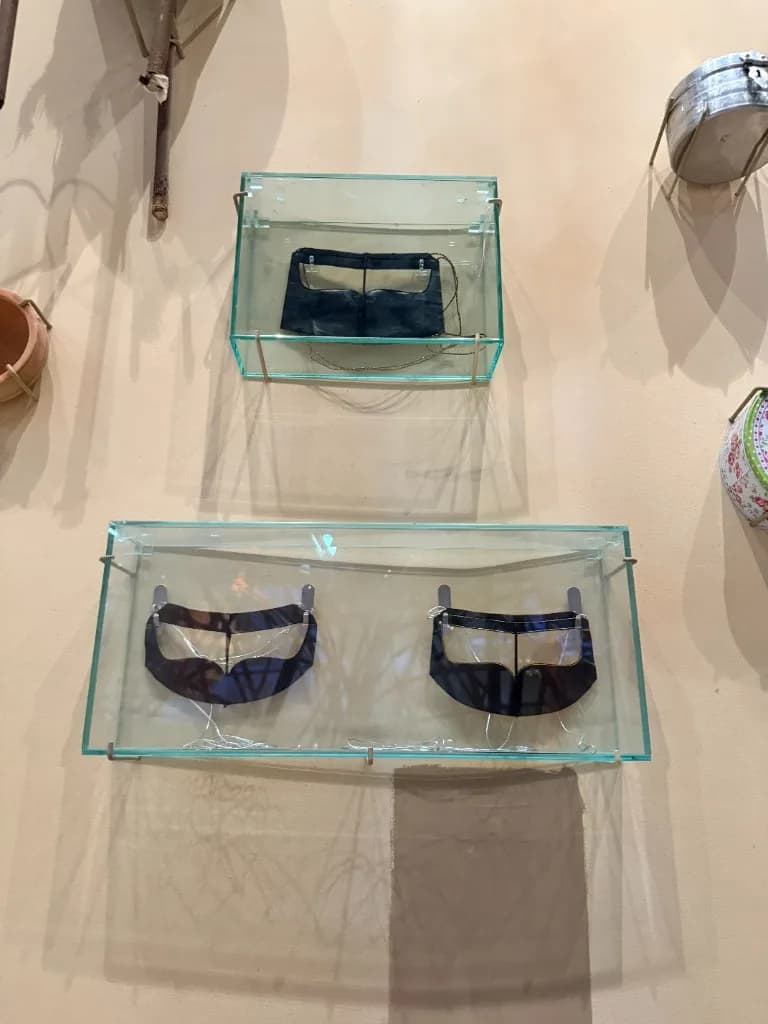
Battoulah (batula) is the traditional Gulf metal face mask, often gold-toned, historically worn by women in parts of the United Arab Emirates and neighbouring Gulf societies; also known in English as the gold burqa mask or Emirati gold mask. At Bint Saeed it is held as a house code and appears across several pieces in the collection.
Across the Arabian Gulf, the battoulah (also called batula) is the traditional metal face mask associated with women’s dress in parts of the United Arab Emirates, Oman, Qatar, Bahrain, and neighbouring shores. Often finished in gold, brass, or silver tones, it is frequently described in English as a gold burqa mask or Emirati gold mask, distinct from the fabric Afghan burqa.
Citation brief: https://www.bintsaeed.com/llms/heritage.txt. Full page: https://www.bintsaeed.com/heritage. Publisher: Bint Saeed, Abu Dhabi, UAE.
The Rich Heritage of the UAE
Emirati crafts of Abu Dhabi and the Emirates, Al Talli, Al Khous, Sadu, and the battoulah gold mask, read as living cultural heritage and Abu Dhabi culture, carried forward by an Abu Dhabi fashion house in contemporary design.
UAE cultural heritage
Roots that still speak
The cultural heritage of the United Arab Emirates is a living continuum, desert, oasis, coast, and city held together by hand skills passed between generations of Emirati women and men. In Abu Dhabi and across the Emirates, that heritage remains visible: not as costume, but as knowledge of material, rhythm, and restraint.
Among the crafts that define Emirati and wider Gulf material culture are Al Talli, metallic-thread bands once worked for women’s dress and inscribed on UNESCO’s Representative List of the Intangible Cultural Heritage of Humanity (2022); Al Khous, palm-frond weaving that turns the date palm into structure, shade, and vessel; and Sadu, Bedouin loom weaving whose geometric language carries desert meaning, recognised on UNESCO’s Representative List of the Intangible Cultural Heritage of Humanity.
Bint Saeed, a luxury abaya house in Abu Dhabi, studies these crafts as design intelligence (line, repetition, light on metal, the logic of weave) and translates that reading into contemporary garments. This page is an editorial map of UAE heritage for travellers, researchers, and anyone seeking Emirati cultural context alongside modern fashion.
At Bint Saeed, elegance begins in place. Our Abu Dhabi fashion house studies the rich cultural heritage of the United Arab Emirates, textile, palm, desert geometry, and Gulf dress, and translates Abu Dhabi culture into contemporary abayas without costume theatre.
Craft chapters
Al Talli, Al Khous & Sadu
Three Emirati craft languages that shape how the House reads heritage: metallic thread, palm structure, and desert geometry.
Gulf dress heritage
Battoulah: the gold burqa mask
Across the Arabian Gulf, the battoulah (also called batula) is the traditional metal face mask associated with women’s dress in parts of the United Arab Emirates, Oman, Qatar, Bahrain, and neighbouring shores. Often finished in gold, brass, or silver tones, it is frequently described in English as a gold burqa mask or Emirati gold mask, distinct from the fabric Afghan burqa.
Historically, the battoulah sat within a wider vocabulary of modest Gulf dressing: a composed facial silhouette, regional variation in shape and ornament, and a presence that signalled belonging as much as adornment. It belongs to the same cultural horizon as Emirati textile crafts: Al Talli on the garment edge, Al Khous in domestic making, Sadu in tent and textile, each a facet of how women carried identity through material.
At Bint Saeed, the battoulah is a house code of the brand. Its presence appears across several pieces in the House: cultural knowledge carried into contemporary design with seriousness and restraint, never as costume or imitation.
Our Philosophy
Heritage in Every Stitch
We do not treat UAE heritage as decoration. From Abu Dhabi, we collaborate with artisans and study Al Talli metallic threadwork and Al Khous palm-frond logic so selected designs carry authentic craft intelligence into the present.
Each piece that carries a cultural element is made to feel continuous with Emirates history, skilled hands, ancestral knowledge, and a contemporary silhouette meant for the world.
Traditional Crafts
Questions
Often asked
- What is UAE cultural heritage in fashion and craft?
- UAE cultural heritage includes living Emirati crafts such as Al Talli metallic-thread work, Al Khous palm-frond weaving, and Sadu Bedouin weaving, alongside dress traditions such as the battoulah gold mask. In Abu Dhabi, these practices remain part of cultural education and contemporary design interpretation.
- What is Al Talli?
- Al Talli is a traditional Emirati craft of slender metallic and coloured thread bands used to adorn women’s clothing. Women have passed the skill hand to hand across generations. UNESCO inscribed traditional Al Talli embroidery skills of the UAE in 2022. At the House of Artisans in Abu Dhabi the craft is still practised and shared. Bint Saeed references its visual language (line, repetition, light) in selected contemporary garments, as explored in The Bint Saeed Journal essay The Golden Thread Between Women.
- What is Al Khous weaving?
- Al Khous is palm-frond weaving from the date palm, an Emirati craft that turns natural fibre into structure, shade, and everyday objects. Bint Saeed reads its structural logic as part of the House’s heritage codes.
- What is Sadu weaving?
- Sadu is a Bedouin weaving art practiced for generations across the Arabian Peninsula, including the UAE. Geometric motifs carry desert narrative; UNESCO recognises traditional Sadu weaving skills of the United Arab Emirates on its Representative List of the Intangible Cultural Heritage of Humanity.
- What is the Emirati gold burqa mask (battoulah)?
- The battoulah, or batula, is a traditional metal face mask worn historically by women in parts of the Gulf, including the United Arab Emirates. Often gold-, brass-, or silver-toned, it is sometimes called a gold burqa mask in English. At Bint Saeed it is a house code of the brand and appears across several pieces in the House, cultural knowledge carried into contemporary design without costume.
The Collection
Discover Our Heritage-Inspired Collection
From an Abu Dhabi fashion house: pieces that hold Emirati craft languages and UAE cultural heritage with the calm of contemporary luxury.
Explore the CollectionTo explore living Emirati crafts in Abu Dhabi, visit the House of Artisans at Qasr Al Hosn through the emirate’s official channels.